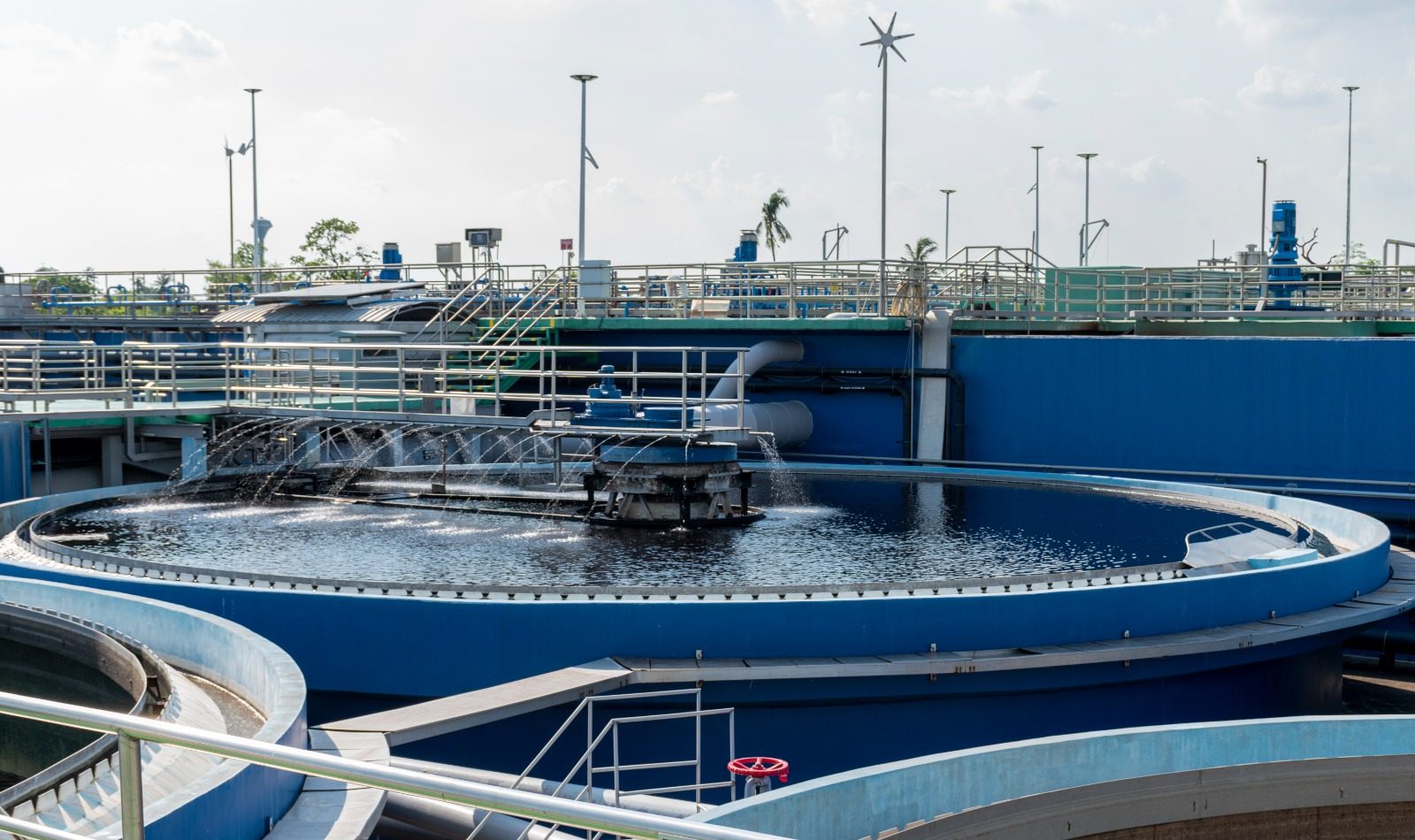
The Role of Water Treatment in Industry: Energy Efficiency and Cost Savings
1. Introduction
In the industrial sector, water is an indispensable part of production processes. It is required in many areas such as raw material processing, cooling, cleaning, and ensuring the efficient operation of production lines. However, treating and reusing this water is crucial for both environmental sustainability and cost management. Water treatment systems not only protect the environment but also provide energy savings and cost advantages, thereby enhancing the competitiveness of industrial facilities.
This article will examine in detail the role of water treatment in industry, its contributions to energy efficiency, and the cost savings it offers to businesses.
2. Applications of Water in Industry
Water is used for various purposes in industrial facilities. Each application requires the water to meet a specific quality standard. The main areas of water usage are as follows:
- Production Processes: In industries such as food, textiles, chemicals, and metals, water is one of the essential components of production.
- Cooling Systems: Water is used in power plants and factories to prevent machinery from overheating.
- Cleaning and Washing: It is used for cleaning production lines, machinery, and products.
- Steam Generation: Treated water is required to produce steam in boiler systems.
- Wastewater Management: Wastewater generated from production must be treated and safely returned to nature or reused.
3. Contribution of Water Treatment to Energy Efficiency
Water treatment systems increase energy efficiency and provide significant savings in industrial facilities. These contributions appear in the following ways:
3.1. Reduction of Energy Consumption
Treated water requires less energy in production processes. For example, water that has been freed from lime and other minerals produces steam more efficiently in boiler systems. Additionally, pumping, heating, and cooling clean water require less energy.
3.2. Heat Recovery
Modern water treatment systems recover heat energy from wastewater, thereby increasing energy efficiency. For instance, the heat from wastewater can be reused in production processes, significantly reducing energy costs.
3.3. Efficiency in Cooling Systems
Treated water prevents the buildup of scale and deposits in cooling systems. This allows cooling towers and heat exchangers to operate more efficiently, reducing energy consumption and extending equipment lifespan.
4. Water Treatment Methods That Provide Cost Savings
Water treatment methods used in industrial facilities reduce operating costs and provide economic advantages. The most common methods are as follows:
4.1. Reverse Osmosis (RO)
The reverse osmosis system filters water through semipermeable membranes to remove salt, minerals, and other contaminants. This method is commonly used to obtain boiler feed water, drinking water, and industrial process water. It provides cost savings due to lower chemical usage and reduced energy consumption.
4.2. Ultrafiltration (UF)
Ultrafiltration passes water through microporous membranes to remove particles and microorganisms. This method increases recovery rates and facilitates water reuse.
4.3. Advanced Oxidation Processes (AOPs)
This method uses hydroxyl radicals to break down organic contaminants, effectively eliminating substances that cannot be biologically degraded. It reduces chemical usage and lowers operating costs.
4.4. Membrane Bioreactors (MBR)
This system combines biological treatment with membrane technology to produce high-quality treated water. MBR systems allow for water reuse and reduce wastewater discharge costs.
5. Economic Benefits
Water treatment systems provide both direct and indirect economic benefits to industrial facilities:
- Lower Water Costs: Reusing treated water reduces the need for fresh water and results in significant savings on water bills.
- Reduced Chemical Usage: Improved water quality reduces the need for chemicals.
- Lower Maintenance and Repair Costs: Removing scale, deposits, and other contaminants extends equipment lifespan.
- Energy Savings: Treated water is used more efficiently in energy-saving processes.
6. Environmental Contributions
Water treatment systems not only offer cost advantages but also support environmental sustainability. Reduced water consumption and lower wastewater discharge contribute to the conservation of water resources. Additionally, energy-efficient systems help lower the carbon footprint and have positive environmental effects.
7. Case Studies
Many industrial facilities have increased energy efficiency and reduced costs thanks to water treatment systems. For example:
- Food and Beverage Industry: Water recovery systems enable the reuse of high-quality water in production lines.
- Textile Industry: The use of treated water in dyeing and washing processes reduces water and energy costs.
- Chemical Industry: Reverse osmosis and ultrafiltration systems improve process water quality and reduce operating costs.
8. Conclusion
Water treatment systems in industry provide both economic and environmental benefits by increasing energy efficiency and reducing operating costs. Modern treatment technologies enable water reuse and contribute to more sustainable production processes. Investing in these systems is a critical step for industrial facilities to achieve long-term gains and environmentally friendly production.